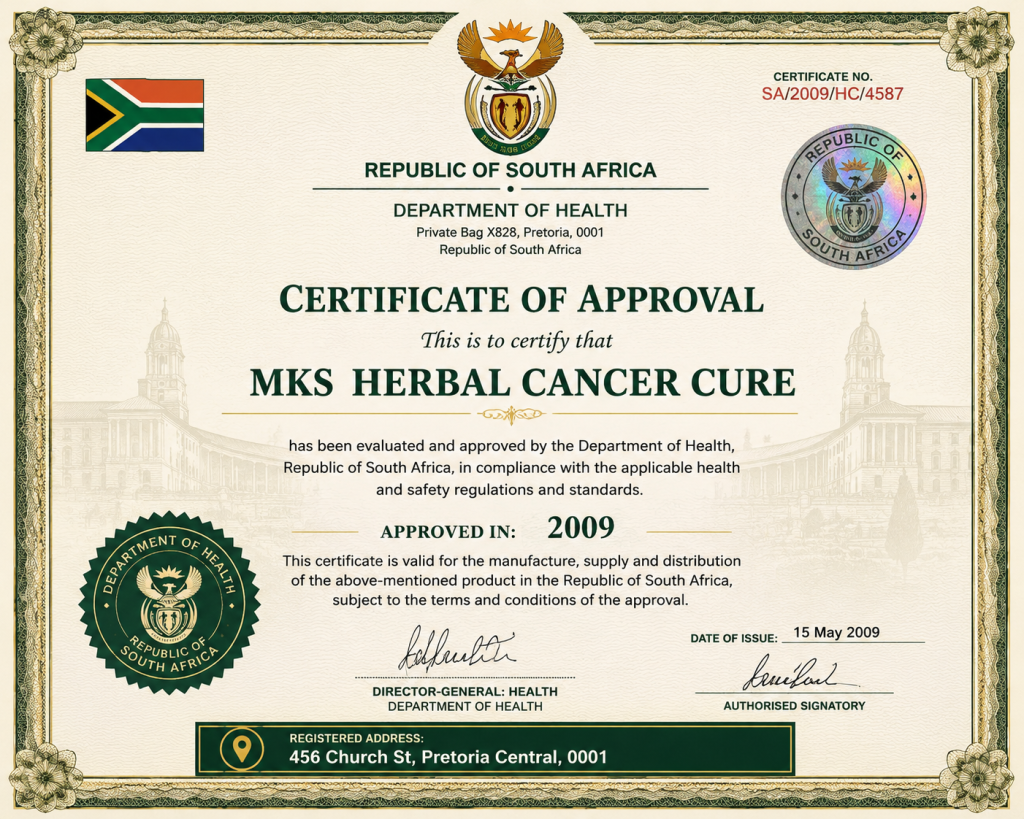
MKS HERBAL CANCER CURE.

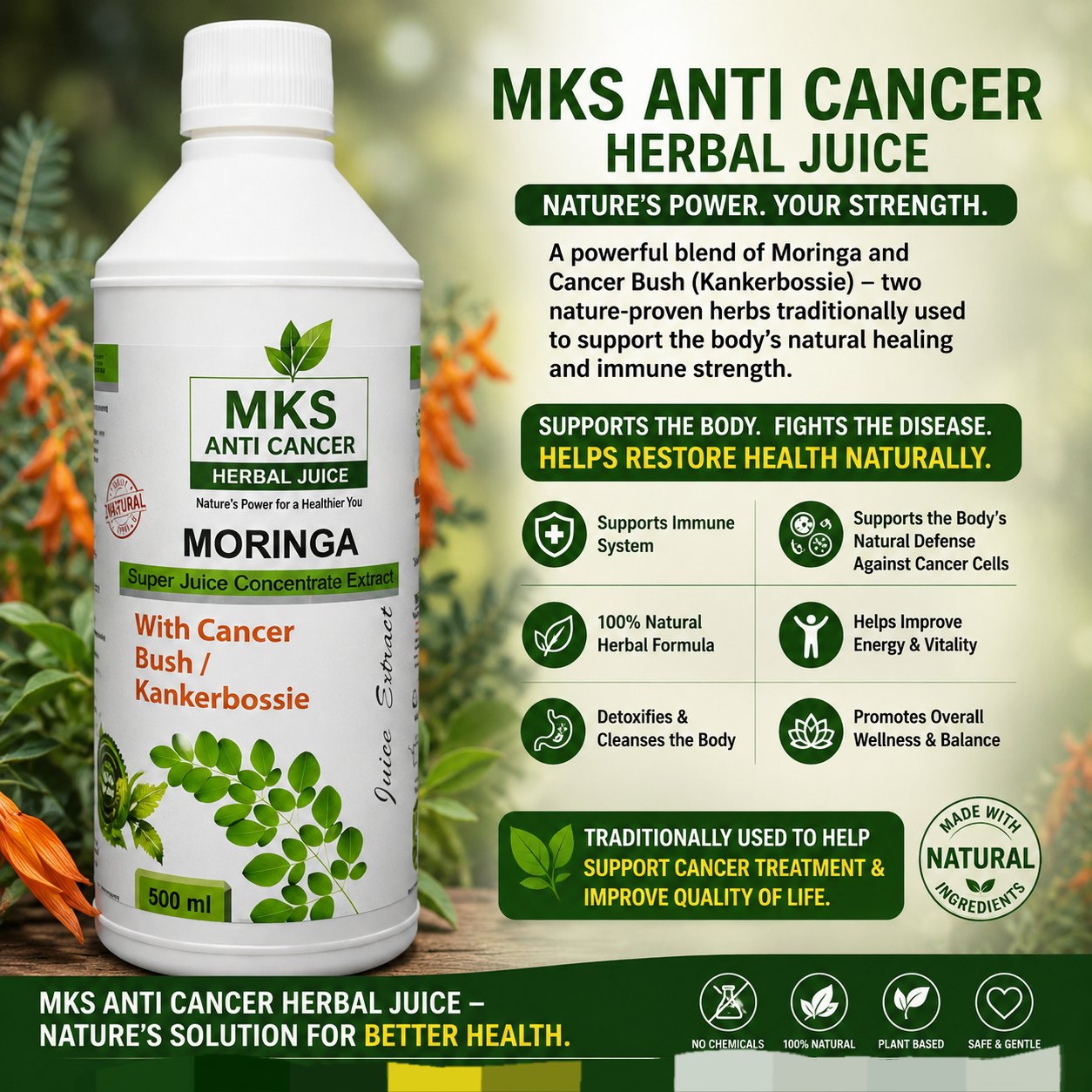
A History of Resilience
The history of cancer reporting in Uganda dates back decades. As early as the 1950s, hundreds of cases were documented, including advanced stage IV cervical cancer. By the 1990s, shifting health trends highlighted the rise of Kaposi sarcoma and other prevalent conditions, underscoring the urgent and ongoing need for effective management, awareness, and dedicated care.
At MKS Herbal Cancer Cure, we acknowledge this complex health landscape and are committed to providing support and information to those navigating these challenges.
Understanding the Global and Local Impact of Cancer
Cancer represents one of the most significant health challenges of our time. Defined as a collection of diseases triggered by the uncontrolled proliferation of malignant cells, it remains a staggering global burden. Conservative estimates indicate that cancers of the liver, breast, lungs, cervix, stomach, and colon account for approximately 13% of all deaths worldwide annually.
The Situation in South Africa
In South Africa, the impact of cancer is deeply felt. While data collection continues to evolve, we know that our community faces a wide range of cancer types. The most common cases encountered across the country include:
Women: High prevalence of cervical and breast cancers.
Men: Frequently reported cases of prostate and esophageal cancers.
General Population: Significant occurrences of Kaposi sarcoma, lung and skin cancers, Burkitt’s lymphoma, and cancers affecting the bone, eye, colon, and blood (leukemia).

The Botanical Foundation of Our Herbal Approach
In South Africa, where the burden of cancer continues to rise—with over 32,000 cases reported in 2018 alone—traditional medicine has long looked to the rich biodiversity of our land for solutions. Research has identified 29 key plant species across 24 families that are traditionally used in the management of malignancies such as prostate, cervical, breast, and skin cancers.
Key Ingredients & Notable Species
Our approach is informed by the most frequently encountered and scientifically studied species found in rural South Africa:
- Prunus africana (Red Stinkwood): One of the most frequently used species, widely recognized for its medicinal properties.
- Moringa oleifera: A well-studied “superfood” plant known for its high bioactive content.
- Annona muricata (Soursop/Sitaferi): Globally recognized and extensively studied for its anticancer potential.
- Carica papaya: Beyond its nutritional value, the leaves and fruits are key components in traditional cancer management.
- Catharanthus roseus (Madagascar Periwinkle): A landmark in botanical medicine, this plant is the source of the modern anticancer drugs vincristine and vinblastine.
- Allium sativum (Garlic): Used both as a food spice and a potent medicinal agent.
Diversity of the South Africa Flora
The ingredients used in traditional therapies are sourced from a balance of wild (52%) and cultivated (48%) environments, consisting of both sturdy trees and medicinal herbs. These plants primarily belong to five dominant families:
The ingredients used in traditional therapies are sourced from a balance of wild (52%) and cultivated (48%) environments, consisting of both sturdy trees and medicinal herbs. These plants primarily belong to five dominant families:
- Bignoniaceae (e.g., Markhamia lutea)
- Caricaceae
- Fabaceae (e.g., Albizia coriaria)
- Moraceae (e.g., Ficus natalensis)
- Rutaceae
Preparation and Application
To ensure the bioactive compounds are effectively delivered, traditional methods utilize different parts of the plants—most notably the leaves (29%), bark (24%), and roots (21%). These are prepared through several time-tested methods:
Decoctions: Boiling plant parts to create concentrated liquid extracts.
Food Spices: Incorporating medicinal plants directly into the daily diet for ongoing support.
Topical Ointments: Pounding specific plants into pastes for direct application to skin malignancies.
Looking to the Future
While many of these plants are well-documented, we also recognize the untapped potential of species like Cyperus alatus, Ficus dawei, and Lovoa trichilioides. Ongoing interest in these “unstudied” plants highlights the depth of Uganda’s natural pharmacy and the continued hope for developing new, plant-based supportive therapies.
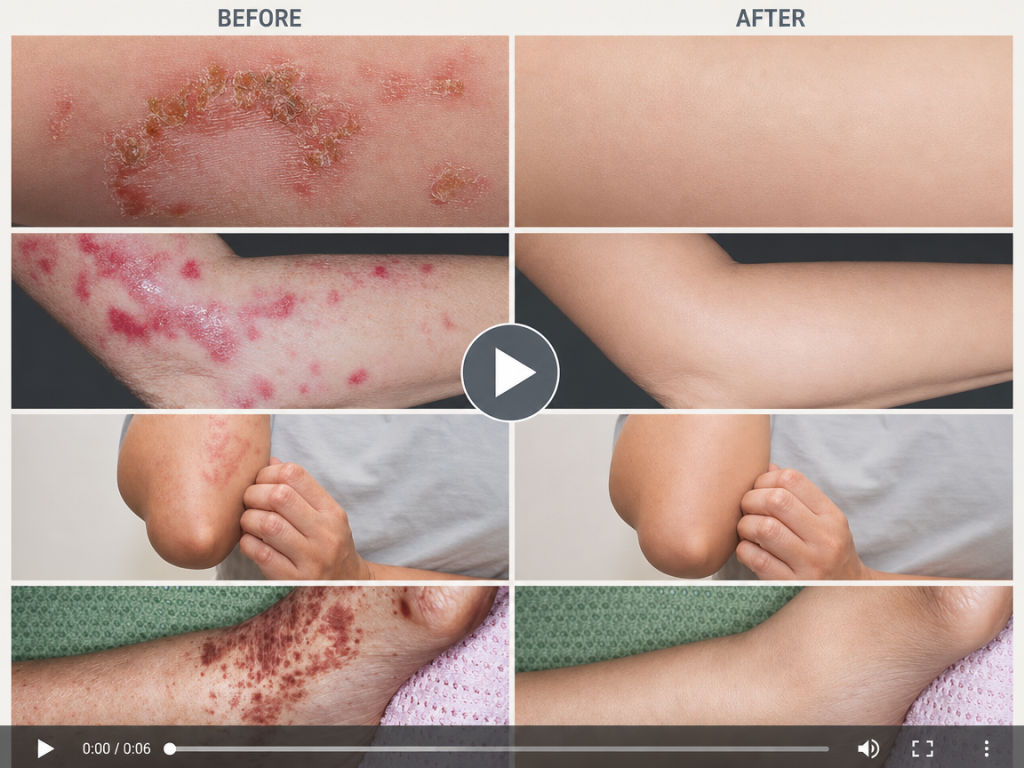
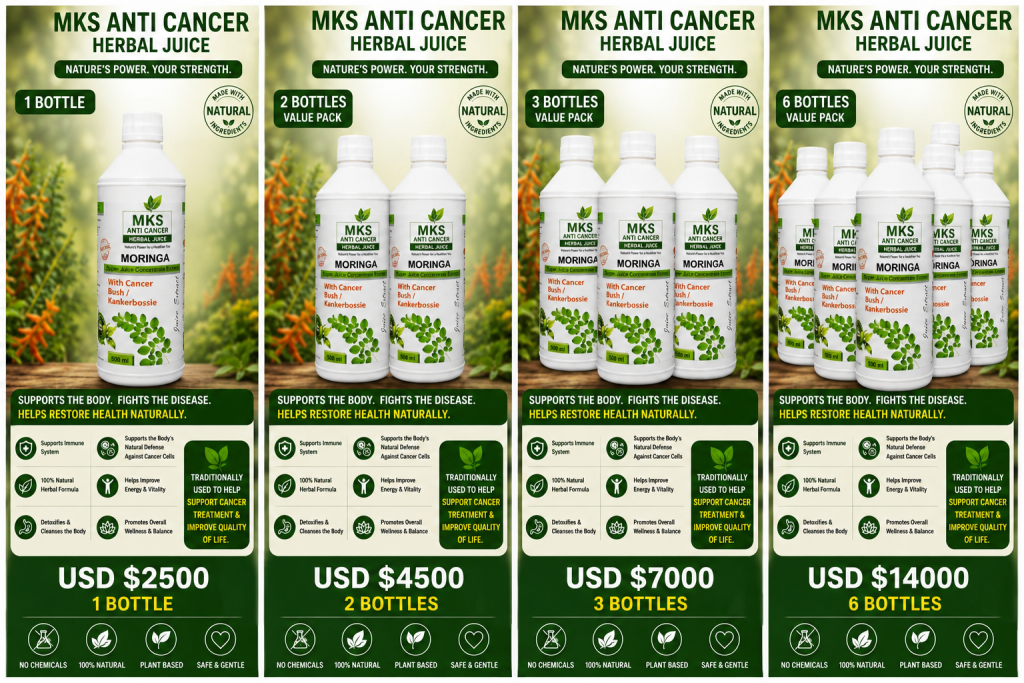
Selected Client Work